
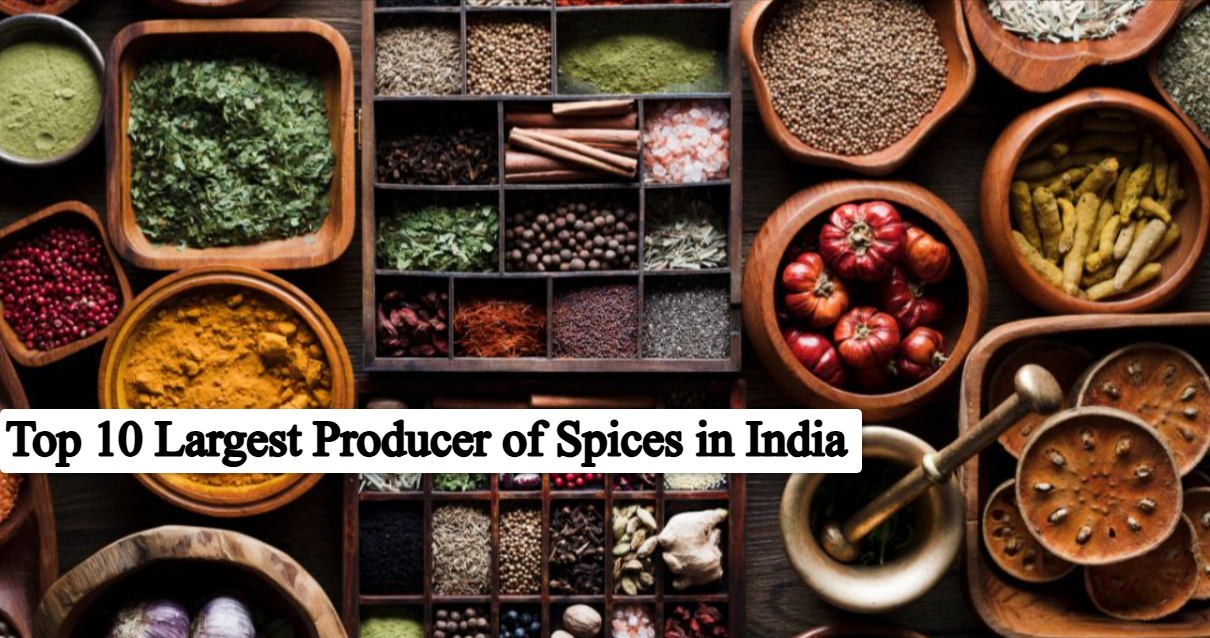
Top 10 Biggest Producer of Spices in India
Read Time:8 Minute, 1 Second
India has been referred to by the name of “Spatula of the world” since ancient times. From the famous Silk Road to modern-day global trade, Indian spices have defined the cuisines of all continents. in 2026 India is still the undisputed world leader with nearly 75percent of the world’s manufacturing of spices. Within India, intense and healthy competition is raging between states to determine who is able to produce the most aromatic and top-quality “black gold.”
The industry of spices is the mainstay of rural India that employs millions and contributing billions of dollars to the GDP. With the demand worldwide of natural spices, curcumin-rich turmeric as well as top chillies is at an all-time high, some Indian states have been crowned as the most productive in agriculture. In this thorough guide, we look at the top 10 Largest Producer of Spices in India by breaking down the factors that make each region an awe-inspiring culinary destination.
1. Madhya Pradesh: The New Spice Capital
A dramatic change has occurred over the last couple of decades, Madhya Pradesh has overtaken the traditional leaders to become the most prolific spice producer of spices in India. The climate is diverse, which allows for an enormous variety of crop varieties.
- Garlic and coriander: MP’s the nation’s leading producer of garlic and coriander production, with districts such as Mandsaur and the Neemuch acting as hubs for global trade.
- Chilli Surge: The state has witnessed an enormous growth in the cultivation of red chillies particularly within Khargone. Khargone region.
- Acreage with more than 800,000 acres dedicated to the cultivation of spices The scale of production here is unrivaled.
- Seed Spices The HTML0 seed has grown into a major producer of fenugreek, nigella and fenugreek (kalonji) seeds.
2. Rajasthan: The King of Seed Spices
The semi-arid, arid climate in Rajasthan is a great blessing for seeds of spices. It is still a major player on the world market.
- Cumin (Jeera) Hub Rajasthan manufactures the majority of the cumin in India, particularly within areas like the Jodhpur as well as the Barmer belts.
- Coriander as well as Fenugreek: The state is the top producer of top-quality coriander as well as fenugreek seeds that are renowned for their oil content.
- Export Powerhouse The majority of Indian exports of spices to Europe, the Middle East and Europe originates from the Mandis of Rajasthan.
- Drought Resistant: The farmers here have learned the art of cultivating premium spices while using a minimum amount of water usage, resulting in an eco-friendly leader.
3. Gujarat: Precision in Every Grain
Gujarat is a close rival to Rajasthan which often switch places in the season of harvest. It is renowned for its extremely organized spice trading system.
- Unjha Mandi: The town of Unjha in Gujarat is the world’s biggest trade center for mustard seeds and cumin.
- Mustard, and Fennel: Gujarat leads the country in Fennel (Saunf) production and plays a significant role in the market for mustard seeds.
- Technology-driven: Gujarat’s spice farmers are the first to adopt drip irrigation and high yield hybrid seeds.
- Quality Control This state is home to some of the most efficient spice processing units that are in compliance with strict international safety standards (SPS).
4. Andhra Pradesh: The Land of Fiery Chillies
In terms of the heat and spice, Andhra Pradesh is second to the rest. It is the center of the production of chilli in India.
- Guntur Red Chilli: The Guntur district is known worldwide for its spicy red chillies that export to virtually every region of the globe.
- Turmeric Leader Together with chillies Andhra has a significant amount of turmeric in its production, particularly those utilized as pharmaceutical extracts.
- Spice Parks: The state has invested a lot into Spice Parks, offering farmers advanced drying as well as processing equipment to reduce losses post-harvest.
- levels of Pungency: The high SHU (Scoville Heat Units) of Andhra chillies make them a top choice in the world’s spice extract industry.
5. Telangana: The Turmeric Titan
Since its creation, Telangana has focused heavily on the high-value spices especially turmeric.
- Nizamabad Turmeric Nizamabad is among the biggest Turmeric trading hubs in Asia.
- Curcumin Content The turmeric grown in this area is coveted for its large curcumin level and is therefore essential to cook with and for therapeutic supplements.
- Integrated Agriculture: The state government offers massive subventions to water mulching as well as drip irrigation in the spice farming.
- Ginger Expansion Recently, Telangana has also seen an increase in the commercial cultivation of ginger.
6. Karnataka: The Multi-Spice Giant
Karnataka provides a unique geographic area that allows it to cultivate both plains-based spices and high altitude plantation spices.
- Black Pepper and Cardamom: The lush forests of Kodagu (Coorg) and Chikkamagaluru are the principal producers of high-quality black pepper.
- Byadgi Chilli: Karnataka is the home of the renowned Byadgi chilli well-known by its red deep colour and its low heat, which is highly sought-after by the food industry.
- Turmeric and Ginger Also, the state contributes substantial amount of turmeric and ginger for the pool of national resources.
- Economic Development in Plantation: In contrast to the states of northern Europe, the economy of Karnataka’s spices is very closely linked to its coffee and areca nut tree plantations.
7. Maharashtra: Innovation in Spices
Maharashtra has been able to successfully utilize its many agro-climatic zones create a wide variety of spices.
- Ginger and Turmeric: Districts such as Sangli as well as Satara are the major centres for the production of ginger and turmeric.
- Organic Movement Maharashtra is the leading state on organic spice cultivation with numerous farmer cooperatives that export directly into the US as well as the EU.
- Processing Infrastructure State boasts the highest density of cold storage units, which ensure that spices preserve their aromatic oils and scent for a longer time.
- Horticulture Insight: Spices are treated as a horticultural crop with high priority and receive substantial state R&D funding.
8. Odisha: The Eastern Flavor
Odisha is a largely unnoticed but significant player in the world of spices especially when it comes to the manufacture of turmeric and ginger.
- Kandhamal Haldi This Kandhamal district is known for its GI-tagged, organic turmeric produced organically by tribal communities.
- ginger quality: Odisha’s ginger is famous for its low content of fiber and a strong scent making it ideal to make ginger powder.
- Tribal agriculture: Much of the production of spices in Odisha is conventional and chemical-free, which gives the spice a distinctive “Earth-friendly” quality and worth.
9. Tamil Nadu: The Seed and Herb Specialist
Tamil Nadu has a long tradition of trading in spices that dates in the Romans. It’s still an industry leader in the field of specialty spices.
- Little Cardamom along with Cloves: The hilly regions of Nilgiris as well as Kanyakumari are the best for cinnamon, cloves, and the spice nutmeg.
- Tamarind and Coriander: The state is one of the major producers of coriander seeds and tamarind.
- Value Added: Tamil Nadu is a source of spices and Oleoresins that are processed extracts that are utilized in the world fragrance and flavor industry.
- Traditional Medicine A lot of the spices in this category are specially cultivated for use within the Siddha as well as Ayurveda sector.
10. Kerala: The Queen of Spices
Although Kerala has seen a decline in its population when compared to the huge northern states, it’s still one of the “Queen” for the quality of its products and their value..
- Malabar Pepper: The world continues to consider Malabar Black Pepper the benchmark of quality.
- Cardamom Superiority: The Cardamom Hills of Idukki are the source of the highest quality small-sized cardamom around the globe.
- Heritage Spices: Kerala is the most important source of premium mace, nutmeg and vanilla.
- Ecotourism, and Spices: Kerala has successfully connected spice cultivation and tourism, allowing tourists to explore”the “Spice Trail” directly.
The Science of Spices: Why Location Matters
What is it that makes them the biggest producers of spice of spices in India? It’s the perfect mix of three elements:
- soil composition: from the volcanic soils in the Deccan to the plains of alluvial soil of the North Different spices require a specific mineral to create their distinctive aromas.
- Climate and Altitude Pepper requires the humidity of the ocean and Cumin is in need of the dry desert heat.
- Traditions of Knowledge Growing spices in India is usually a family practice, where families pass secrets for drying and curing.
The 2026 Spice Trend: Health and Sustainability
By 2026, the market for spices will no longer be solely about flavor. The states that produce the most are moving towards:
- tags for GI: A growing number of states are looking for Geographical Indication tags to safeguard their distinctive spices.
- Blockchain tracking: In order to ensure the purity Many exporters use blockchain to track the progress of a spice starting from “farm until the “fork.”
- Demand for Medicinal Products: The global rise in “functional food items” has exploded the demand for spices such as turmeric and ginger for the properties to fight inflammation. properties.
Conclusion
The Indian spice story is one of variety and endurance. It doesn’t matter if it’s the huge dimension of Madhya Pradesh, the smouldering hot in Andhra Pradesh, or the rich culture in Kerala each state plays an important part in bringing spice to the world. As we progress in the direction of certified organic farming as well as sustainable agriculture will ensure that India will continue to be the world’s leading spice producer for a long time to be.


Happy
0 %

Sad
0 %

Excited
0 %

Sleepy
0 %

Angry
0 %

Surprise
0 %
 0
0
 0
0

Average Rating